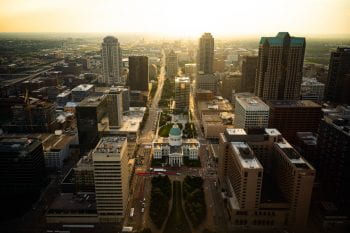
St. Louis churches are leading an air quality revolution
A 2019 Washington University Environmental Racism report found Black and low-income residents bear the brunt of the region’s unhealthy air quality. The report was a breath of fresh air to those affected by the region’s poor air quality. It was also a wake-up call for churches within the report’s most at-risk communities, many of which stepped up to work toward drastically increasing the area’s air quality monitoring capability.
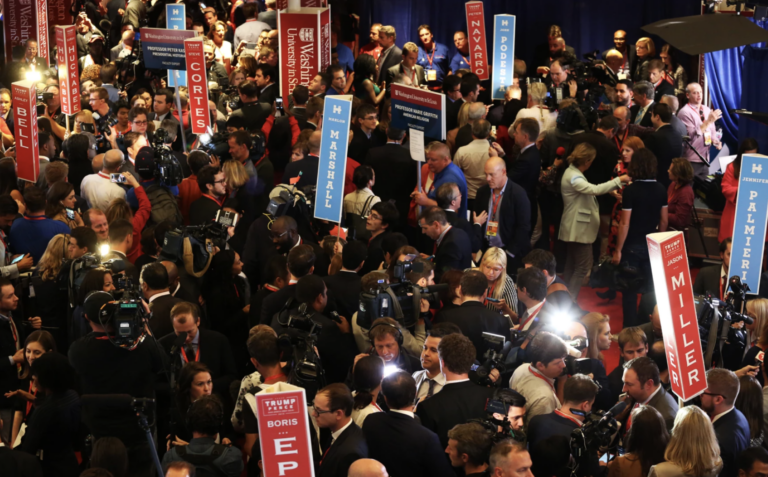
How did a St. Louis school become a mainstay of the presidential debate circuit?
When Kamala Harris and Donald Trump faceoff in a presidential debate Tuesday in Philadelphia, the atmosphere will be much different than what’s taken place at Washington University for more than 30 years.
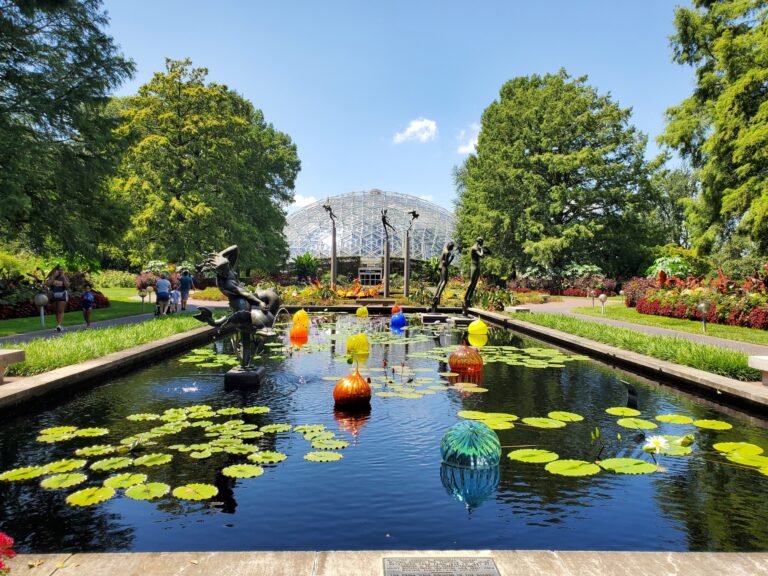
Missouri Botanical Garden names first woman president
Missouri Botanical Garden has named Lúcia Lohmann as its next president, effective Jan. 2. Lohmann, who will also serve as director and George Engelmann professor of botany at Washington University in St. Louis, is the eighth president in MoBot’s history and its first woman president, officials said.
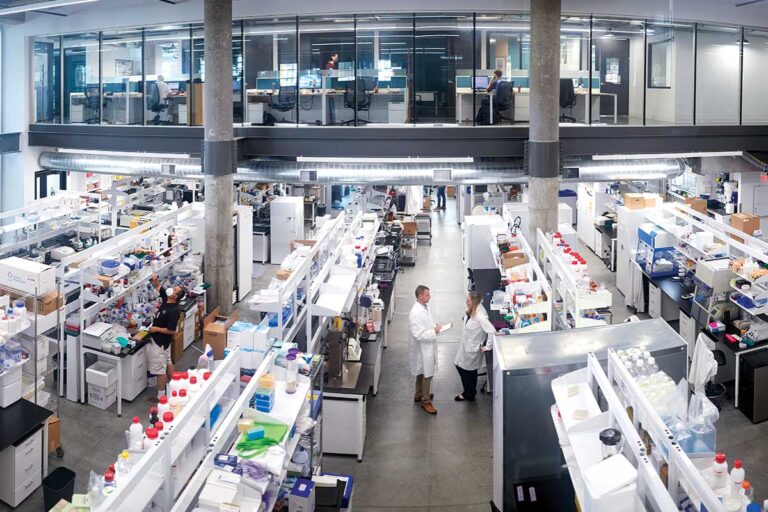
St. Louis’s push to become a neuroscience leader
Washington University and BioSTL are hoping to transform St. Louis into a global neuroscience leader through its NEURO360 initiative. BioSTL’s CEO Donn Rubin tells Anthony Morabith that big things are in store for the future of St. Louis.

Inno Under 25: These St. Louis entrepreneurs are shaping the region’s future
St. Louis Inno is highlighting eight people, all under 25, all entrepreneurs, most of them connected in some way to Washington University, St. Louis’ magnet for the talented and driven, who have created a business that will likely be neither their last nor only venture of their lifetimes.
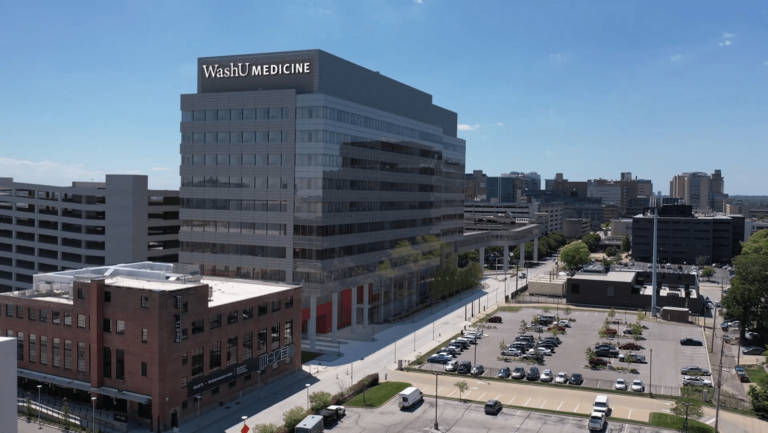
Consortium seeks $160M to build St. Louis region’s neuroscience research, innovation
Neuro360, a coalition of post-secondary institutions, local and state institutions, businesses, health care and trade groups led by Washington University and nonprofit innovation hub BioSTL, is bidding for up to $160 million in funding from the U.S. National Science Foundation. The coalition is aimed at advancing neuroscience research and commercialization in the St. Louis region
Washington University researchers studying urban heat islands and their impacts on public health
The City of St. Louis is prone to an urban heat island effect, a phenomenon caused by dense areas of pavement, flat roofs, brick buildings and other surfaces that absorb heat from the sun, radiating it back into the surrounding air. Research published by Climate Central shows that some urban areas see temperatures as much as 10 degrees hotter than rural areas that enjoy more widespread vegetation and shade. In St. Louis, the Midwest Climate Collaborative at Washington University works to study heat islands and their effects on quality of life in the region. The university’s Tyson Research Center has been actively gathering data and studying the impacts of heat islands, too.
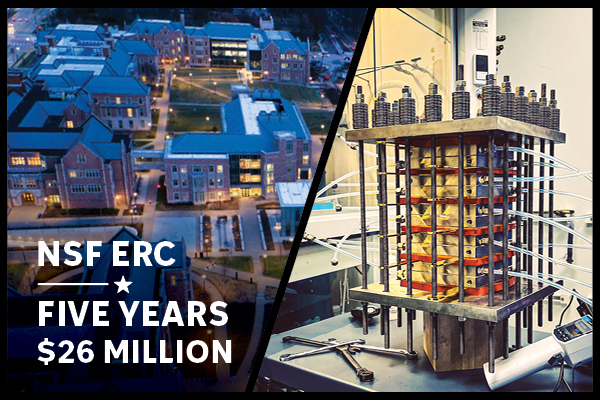
Washington University researchers leading NSF-funded biomanufacturing project
The National Science Foundation has awarded a team led by Washington University researchers a $26 million, five-year grant to investigate ways to use existing carbon dioxide for manufacturing through biological systems. WashU’s McKelvey School of Engineering is leading the project, called the Carbon Utilization Redesign for Biomanufacturing-Empowered Decarbonization (CURB) Engineering Research Center. Marcus Foston, co-principal investigator and […]
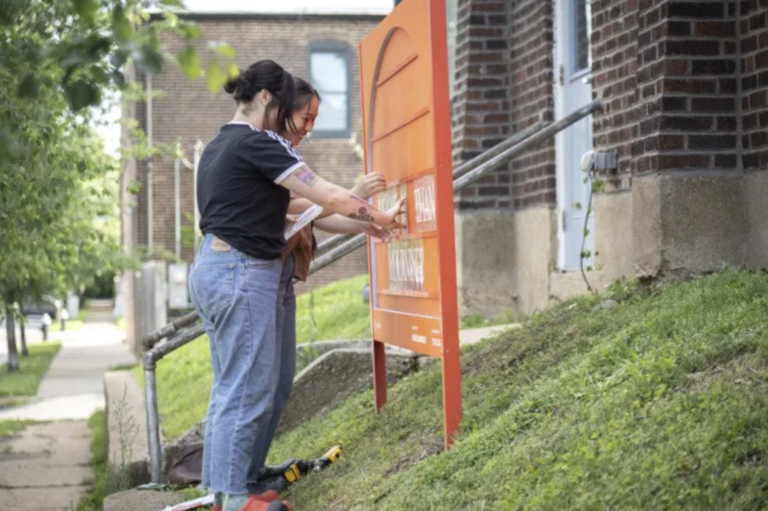
Words on the Street
WashU alums Shannon Levin and Marina Peng understand that the very nature of public art makes it difficult to gauge how it resonates with the people viewing it. Yet if they ever doubt that their public art project, PSA, strikes a chord with St. Louis audiences, they can recall a recent story about what happened when two passers-by encountered one of their installations.
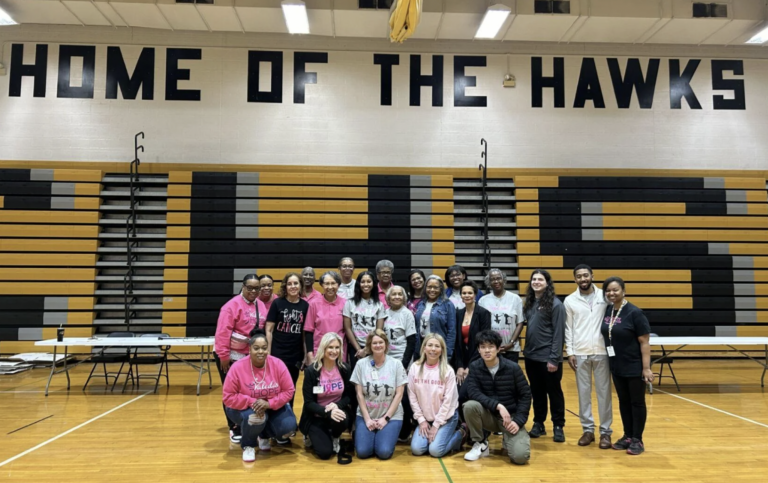
Hazelwood teens learn breast cancer awareness and healthy habits
Dr. Lannis Hall faces an auditorium full of young women at Hazelwood East High School. She’s there to talk about health – breast health. As a radiation oncologist from Washington University in St. Louis, Hall is aware these high school students are likely years away from needing mammograms or other breast screenings. However, she wants them to begin understanding how they can start reducing their cancer risk now and to encourage them to share this knowledge with their loved ones. Such was the inspiration for the “Go Tell Your Momma” initiative, through which Hall presents at Hazelwood School District’s East, Central and West high schools.