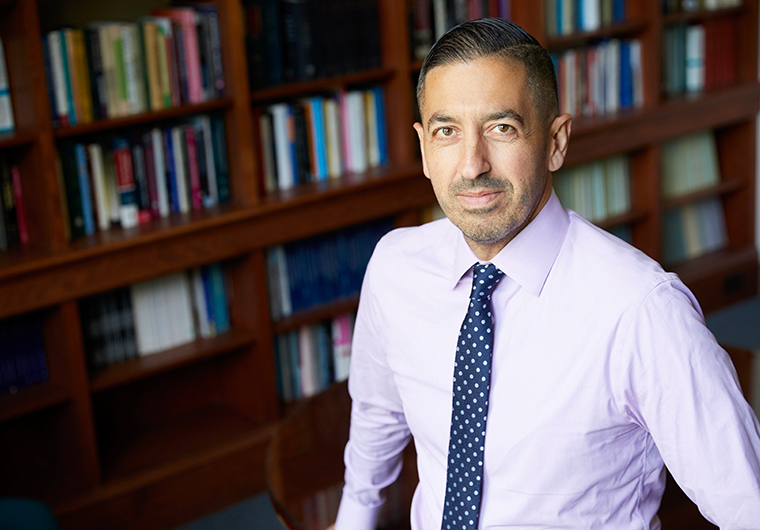
Seeking environments that ‘generate health’
Washington University recently announced that Sandro Galea, MD, DrPH — one of the world’s most influential public health leaders — will become inaugural dean of its planned School of Public Health, effective Jan. 1, 2025. In this critical role, Galea will help shape WashU’s first new school in 100 years. The school is part of “Here and Next,” WashU’s 10-year strategic plan to make both the university and St. Louis a global hub for solving society’s deepest challenges.
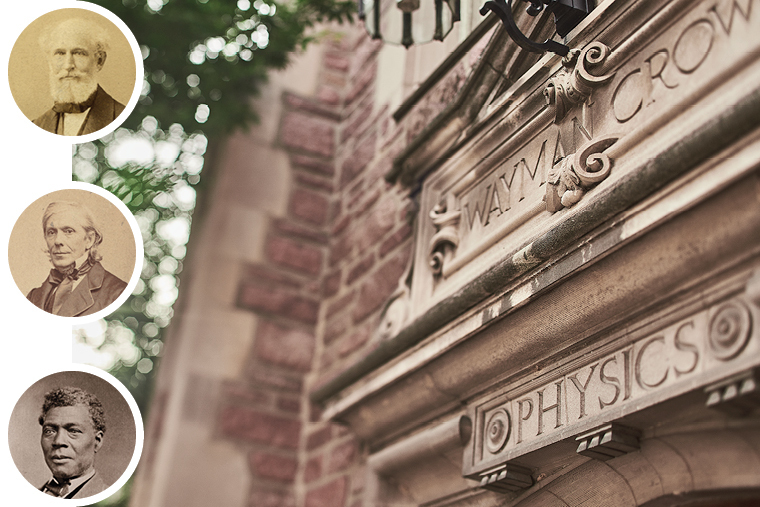
Reconciling with our past
The WashU & Slavery Project is an initiative started in spring 2021 to advance scholarship around WashU’s history with slavery. But the project is also reshaping public history in the St. Louis region by striving to add or improve information around slavery and racial discrimination at area historical sites, including the General Daniel Bissell House and the Missouri Botanical Garden.
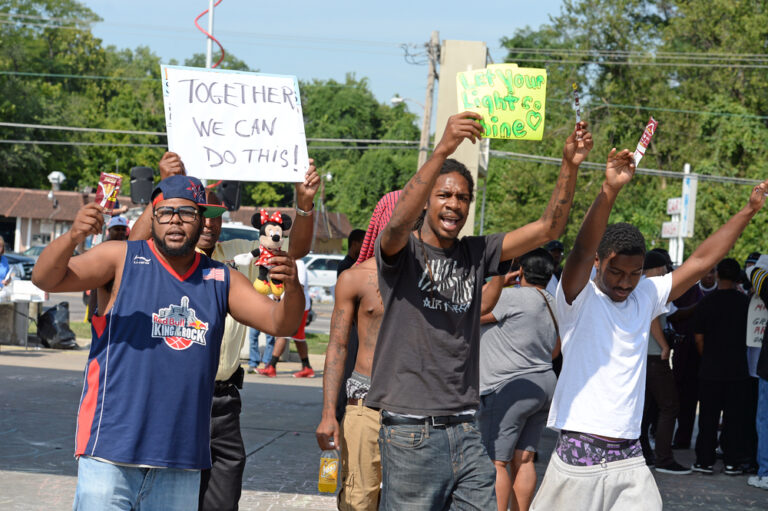
WashU Expert: In Ferguson aftermath, despite progress regression continues
While some some progress has been made in the 10 years since Michael Brown’s death on Aug. 9, 2014, in many ways we have regressed as a nation, said Kimberly Norwood, the Henry H. Oberschelp Professor of Law at Washington University in St. Louis and editor of, and contributor to, the 2016 book “Ferguson’s Fault Lines: The Race Quake That Rocked a Nation.” The reverberations from Brown’s shooting death manifested in the form of worldwide protests and contrite promises of investigations, reform and racial reckoning, Norwood said.
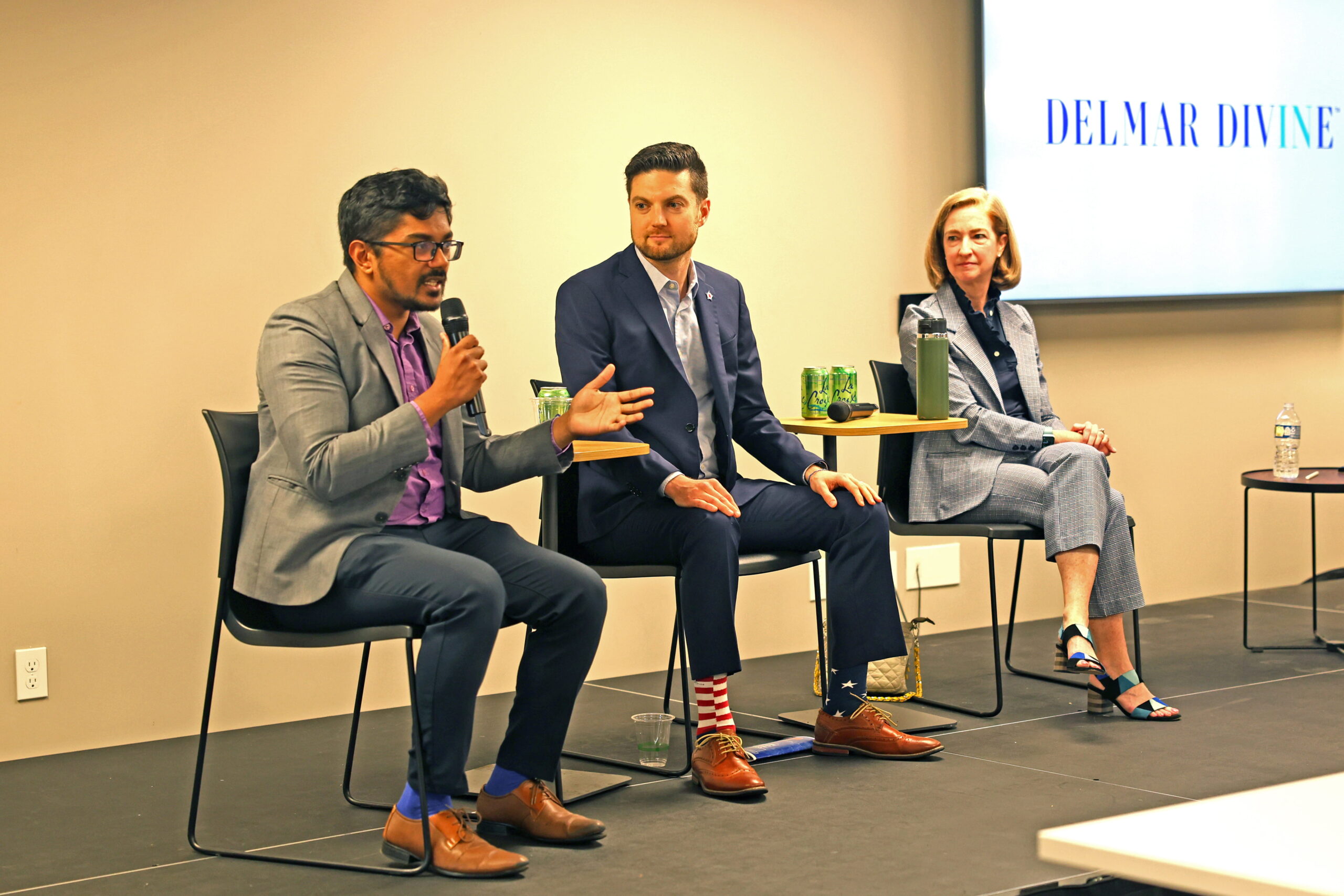
Seminars bring fellows to Eagleton Courthouse, Democracy Panel
Experiencing the nuances of local leadership and judicial impacts are an important part of student civic learning. In the Gephardt Institute’s St. Louis Fellows Program, the Fellows engage in summer weekly seminars centered on civic engagement. While most of their sessions are at Stix House, two of the seminars took place off campus at the Delmar DivINe and the Eagleton Federal Courthouse in Downtown St. Louis.
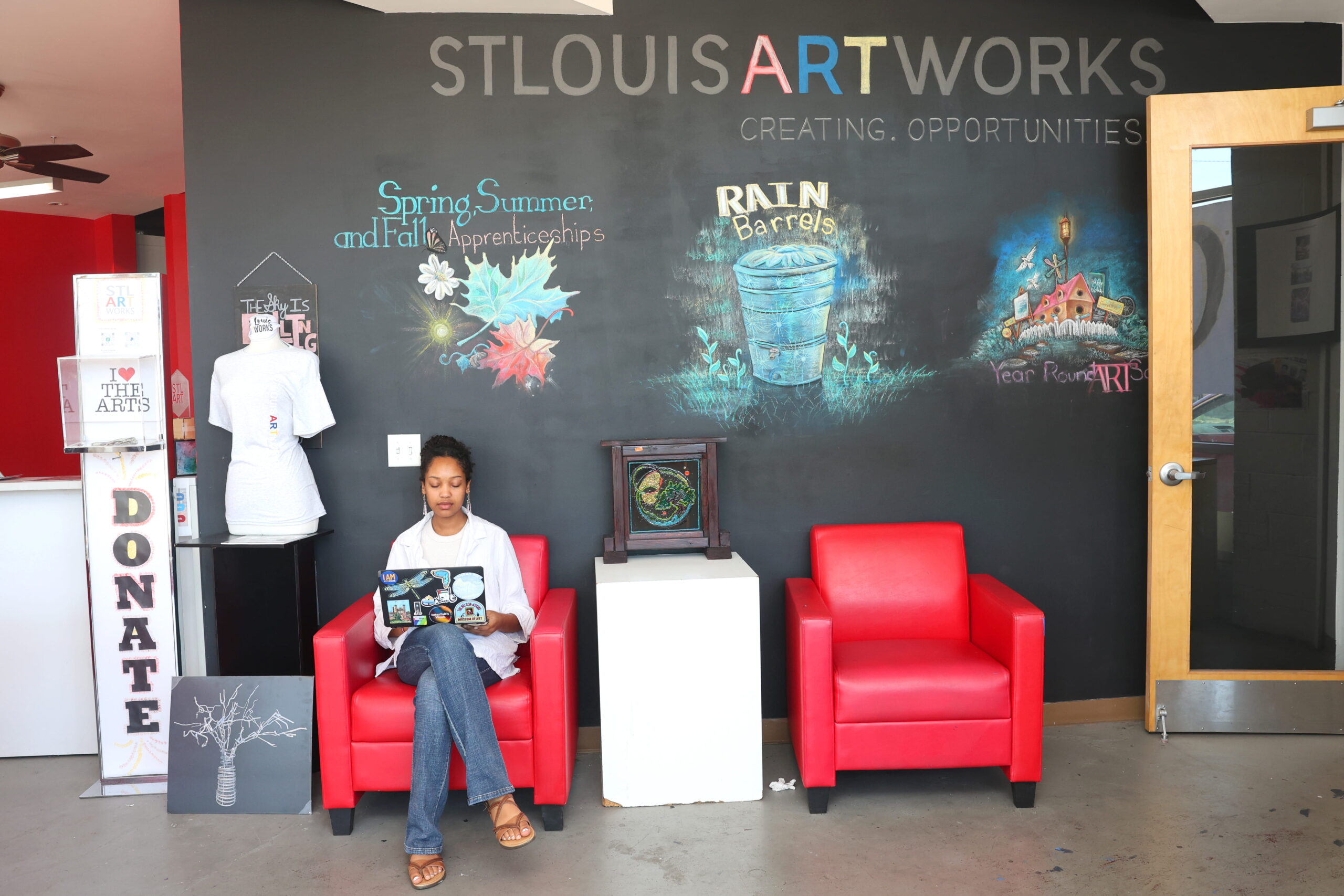
STL ArtWorks bringing creative joy to kids with support of St. Louis Fellow
At St. Louis ArtWorks in University City, St. Louis Fellow Duaa Mohamed ’26 works in communications, helping the nonprofit make the community aware of the ways that they bring the arts to underserved people.
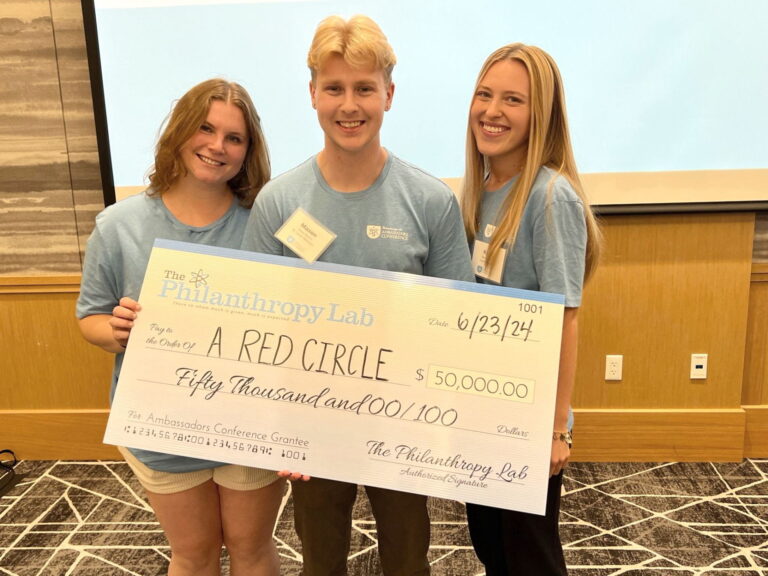
Philanthropy Lab students successfully champion $50K for local nonprofit
This spring, WashU Philanthropy Lab students granted a total of $68,000 to nine St. Louis community nonprofit organizations, including $10,000 to A Red Circle. The strength of the organization—along with the advocacy work led by one student in the class, St. Louis Fellow Mason Shaver—resulted earlier this month in the nonprofit being granted an additional $50,000 by The Philanthropy Lab, a national organization.
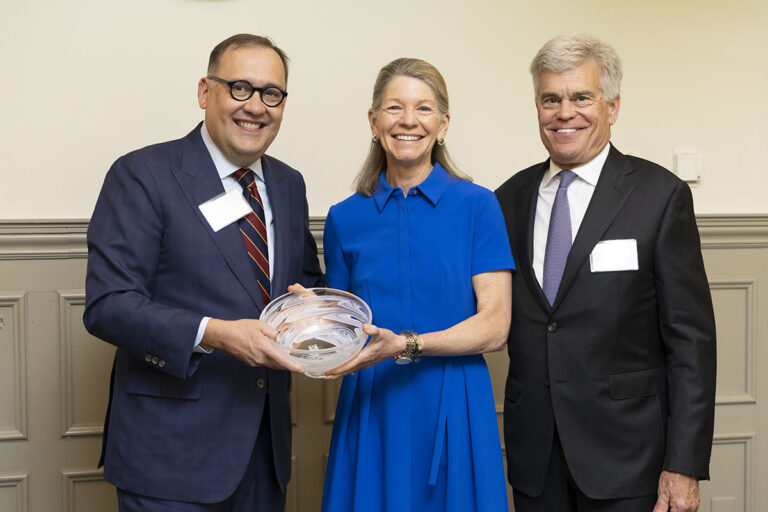
Mary and Tom Stillman receive Harris Award
Mary and Tom Stillman are the recipients of the 2024 Jane and Whitney Harris St. Louis Community Service Award. Chancellor Andrew D. Martin presented the Stillmans with the award at a June 5 luncheon at the Whittemore House. Mary McKay, vice provost for interdisciplinary initiatives at Washington University in St. Louis, hosted the event. The Harris Award committee selects a couple to receive the annual award, which was established in 2000 in honor of the late Jane and Whitney Harris to recognize couples who contribute to the betterment of the greater St. Louis community.
WashU leader, alumni recognized for commitment to diverse workplaces
Four members of the Washington University in St. Louis community are recipients of the St. Louis Business Journal’s 2024 Champions for Diversity & Inclusion Awards.

Five WashU founders recognized at St. Louis Inno Fire Awards
On July 9, the St. Louis entrepreneurial community came together for St. Louis Inno’s Fire Awards, which recognizes the innovators shaping the entrepreneurial ecosystem and applauds companies and organizations growing their teams, launching new products, and positively impacting society. The companies recognized include five WashU alumni, and we are thrilled to see their continued commitment to St. Louis and the impact their startups are having on the local ecosystem and beyond.
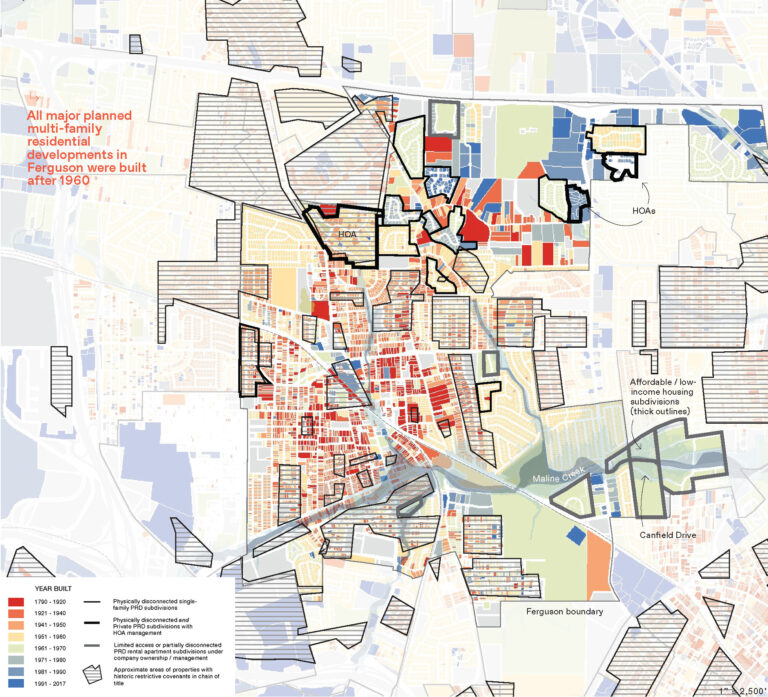
The infrastructure of fragmentation
In “Radical Atlas of Ferguson, USA,” which will be released by Belt Publishing Aug. 6, Professor Patty Heyda from Washington University in St. Louis utilized more than 100 maps to chart the often-opaque forces that have shaped Ferguson, Missouri, and other first-ring American suburbs since the early 1980s. Tax incentives, housing codes, roadways, policing, philanthropy, even landscaping — all can work against the fundamental betterment of residents’ lives.