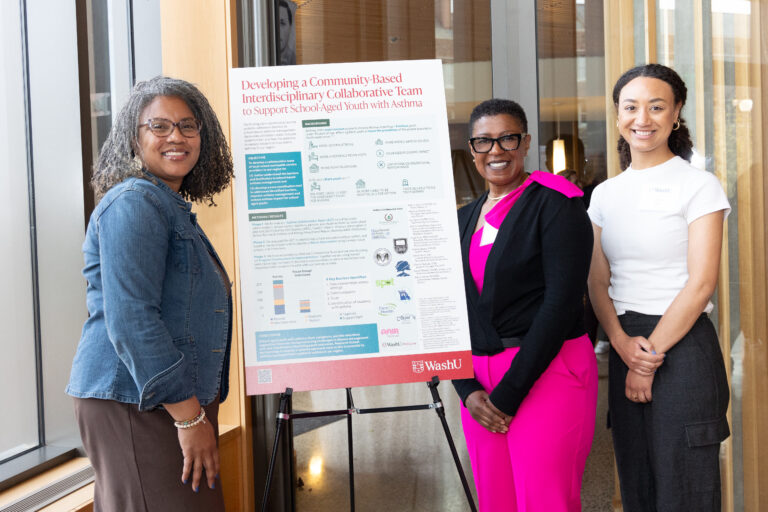
Confluence Collaborative for Community Engagement
The Confluence Collaborative for Community Engagement connects WashU scholars and St. Louis community partners to advance community-engaged research, education and practice.
It centers community-identified needs and supports reciprocal, long-term partnerships through research development, community-engaged teaching and learning, partner capacity building, networking, funding resources and recognition of collaborative work. Its goal is to strengthen existing efforts, connect people across disciplines and help ensure university-community partnerships produce meaningful benefits for the region.
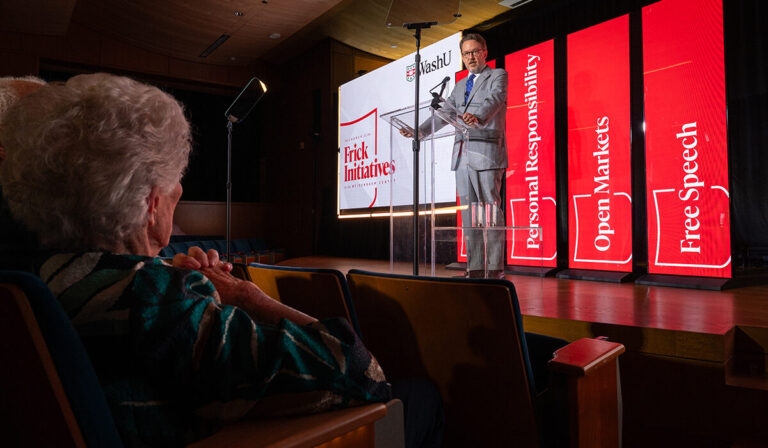
Frick Initiatives
The Frick Initiatives invest in ambitious ideas and the people working to put them into practice. They support projects centered on four core pillars: civil discourse, free speech, free and open markets, and personal responsibility. They seek promising projects that move ideas beyond discussion and into practice, whether through education, applied research, public engagement, community partnerships or new approaches not yet imagined.
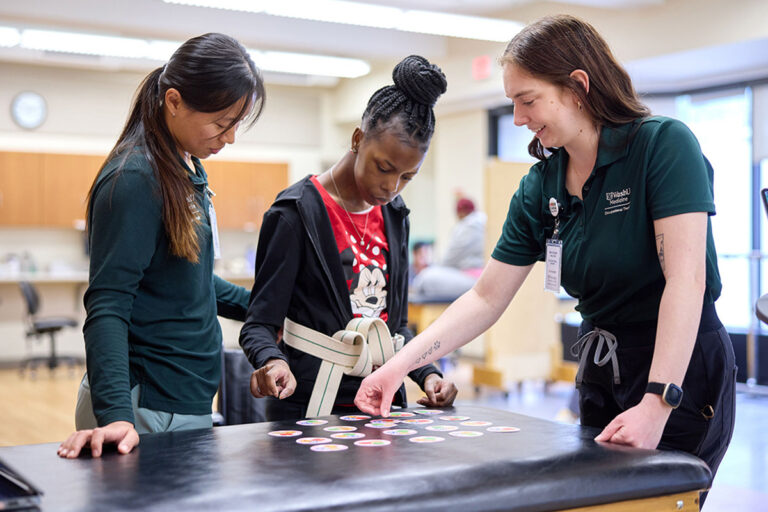
Together, WashU Medicine MD, OT, PT students treat patients at Pro Bono Health Clinic
Student-led, patient-first. At the WashU Medicine Pro Bono Health Clinic, medical, occupational therapy and physical therapy students team up to provide much-needed care to uninsured community members in the St. Louis area.
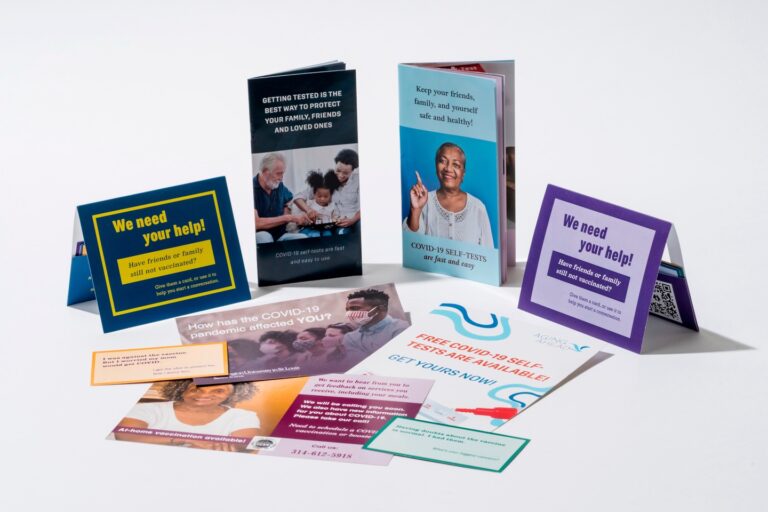
Health Communication Design Studio
The Health Communication Design Studio (HCDS) at WashU Sam Fox School investigates pressing issues related to public health, particularly in underserved populations. It creates strategic design solutions to address these challenges and evaluates their impact in the St. Louis community.

Asylum Support Initiative
The Asylum Support Initiative is a project that aims to provide forensic medical and psychological evaluations for those seeking asylum in the St. Louis area. These evaluations will help provide additional evidence and can subsequently help strengthen asylum applications. The initiative will provide a streamlined process of conducting forensic evaluations for asylum applications by directly connecting health care professionals trained in conducting evaluations to local asylum cases.

Washington University Bridge to Health Program
The Washington University Bridge to Health Program provides additional services to patients who inject drugs and are admitted to the hospital with invasive infections. Patients in the program have free access to health coaches, mental health services, clinical case management, transportation and medication assistance (if eligible) and connection to care after treatment of the infection is completed. The program has a team of people and additional resources to help individuals for several weeks.

Brown School Office of Community Partnerships
Focused on fostering meaningful connections with our local communities, the Office of Community Partnerships (OCP) at the Brown School aims to cultivate, support, and sustain partnerships that bring about transformative social change for local communities and the region. The Brown School has identified priority geographic areas in the most critical need, making a measurable impact through social and economic justice.
Program for the Elimination of Cancer Disparities (PECaD)
The mission of PECaD is to ensure that all cancer patients and communities benefit from the clinical and scientific advances at Siteman Cancer Center. The program strives to reduce the cancer burden and related disparities, while engaging communities to promote health equity across Siteman’s catchment and beyond.
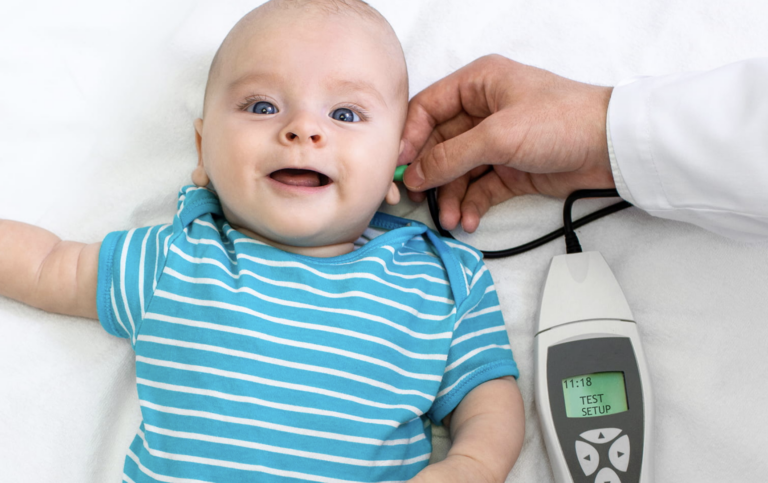
Early Hearing Detection and Intervention Data
Developed by experts at the Brown School of Social Work, this website facilitates access to curated multi-year Centers for Disease Control and Prevention (CDC) EHDI data–with data analysis to support research and benchmarking at the state and national levels–for Early Hearing Detection and Intervention (EHDI) professionals.
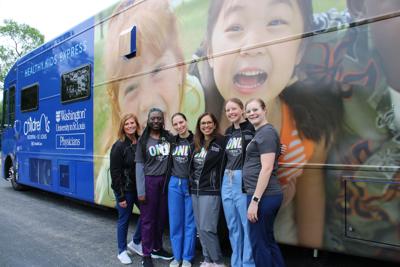
Healthy Kids Express – Diabetes Program
The Healthy Kids Express– Diabetes Program brings a team of diabetes experts including those from Children’s Hospital and Washington University Physicians to underserved area schools.